

Latest Posts
Open Space Bird Control: A Complete Guide
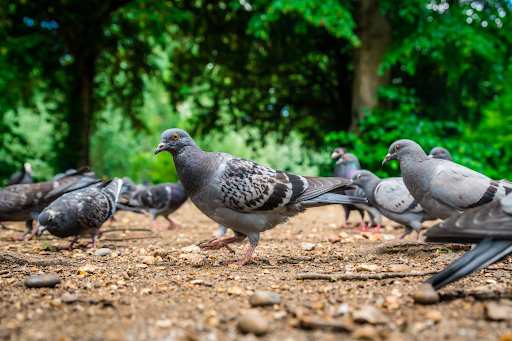
Bird control is essential for both homeowners and commercial property owners who want to maintain clean, safe environments. However, managing birds in open spaces can be particularly challenging, as these areas lack the structures typically used for traditional control methods. Professional solutions are often required to effectively manage bird activity without relying on nearby buildings.
Open spaces affected by birds vary greatly and can present different hazards. For example, flocks of geese near lakes or ponds can leave large amounts of droppings, creating unsanitary and slippery conditions. Airports often face issues with birds nesting or roosting near runways, posing serious safety risks. Stadiums and other large venues also attract birds due to food sources and shelter. Because every situation is unique, successful bird control depends on a careful assessment of specific conditions.
Understanding the Problem and Bird Activity
Before choosing a bird control solution, it’s important to clearly identify the issue. Start by asking: What type of bird is involved, and what behavior are they displaying? Different birds and behaviors require different approaches. For instance, pigeons in a city plaza need a different solution than geese on a golf course.
Key questions to consider include:
- What species of birds are present?
- Are they migratory or permanent residents?
- What level of activity is occurring (occasional visits, daily roosting, or nesting)?
- How long have the birds been in the area?
- What attracts them (food, water, shelter, or territory)?
Short-Term vs. Long-Term Solutions
The right bird control strategy depends heavily on the location and how birds use the space. Some environments require permanent solutions, while others only need temporary measures.
For example, agricultural areas and golf courses often attract birds year-round and typically require ongoing management. Airports, where bird activity can pose safety risks, usually need permanent control systems.
On the other hand, short-term solutions are suitable for seasonal or migratory bird activity. For instance, geese may temporarily gather around water bodies during migration. In such cases, temporary deterrents can effectively manage the issue.
Common Bird Control Methods for Open Spaces
Once you understand the situation, you can choose from several effective bird control strategies:
Sound Deterrents
Sound-based solutions scare birds away using loud noises or distress calls. These are most effective for short-term use (typically under 30 days), as birds may become accustomed to repeated sounds over time.
Examples include:
- Propane cannons that create loud bursts to disperse birds
- Automated systems that emit distress calls to simulate danger
Visual Deterrents
Visual tools are often used alongside sound deterrents. These devices create the illusion of danger, discouraging birds from entering the area. They can be effective for both short- and long-term use and are commonly used in open environments, including airports.
Physical Deterrents
For high-pressure or long-term situations, physical barriers are often the most reliable solution. These include nets, wires, or other structures that block birds from accessing specific areas.
Examples:
- Netting over fish farms to protect against predatory birds
- Barriers around ponds or runways to prevent bird entry
Because open spaces are large and exposed, physical solutions may require a combination of methods to be fully effective.
Specialized Environments
Agricultural Areas
In large open areas like farms, netting may not always be practical. In such cases, non-toxic taste deterrents can be applied using sprayers. These substances are harmless but unpleasant to birds, encouraging them to avoid the area. Regular application is often required, especially in high-activity zones.
Open-Air Venues
Stadiums and similar venues often require a multi-layered approach. Spraying can help control birds on open fields, while netting or exclusion methods work well in food and seating areas. Maintaining cleanliness is also crucial, as leftover food and waste attract birds.
Final Thoughts
Although birds naturally gather in open spaces, they can create serious health and safety risks in certain environments, including industrial sites and landfills. Effective bird control requires consistent maintenance and a strategy tailored to the specific situation.
About Pigeon Guano Cleaning
Pigeon Guano Cleaning is a leader in developing humane and effective bird control solutions. Specializing in urban bird management, the company offers innovative technologies to prevent birds from landing, roosting, or nesting. Their website provides valuable resources to help identify and address bird-related challenges.
For assistance with bird control, reaching out to experienced professionals can help you find the most effective solution for your needs.
Educating Customers About Bird-Related Diseases

Birds can pose significant health risks due to their ability to travel long distances, carry over 40 types of parasites, and host more than 60 infectious diseases. The following information can help educate customers about how bird-related diseases spread and why proper prevention is important.
How Pest Birds Spread Disease
Birds can transmit diseases through:
- Droppings
- Nesting and roosting materials
- Parasites they carry
Contamination from Bird Droppings
Direct contamination occurs when infected bird droppings come into contact with food or water sources. For example, a health crisis in New York was traced back to seagull droppings contaminating a city reservoir.
In addition, dried bird droppings can release airborne spores that spread through ventilation systems. These spores are known to contribute to illnesses such as Salmonella-related food poisoning, with thousands of cases reported annually. Airborne contaminants can be especially harmful to children, the elderly, and individuals with weakened immune systems.
Inhalation of Fecal Dust
When bird droppings on buildings, soil, or pavement dry out, they can break into microscopic particles and become airborne. These particles may contain harmful fungi or bacteria.
When inhaled, they can cause flu-like symptoms such as:
- Coughing
- Fever
- Difficulty breathing
- Fatigue
Symptoms typically last 2–4 days, and most people recover naturally. However, in rare cases, severe infections can develop, potentially leading to long-term health issues or even death. Notably, internal fungal infections are difficult to treat and may not have a definitive cure.
A well-known example is “Valley Fever,” which affected thousands of people after the Northridge earthquake in California. The illness was caused by inhaling dust contaminated with fungal spores.
Direct Contact with Bird Droppings
Infections can also occur when bird droppings or contaminated dust enter open cuts or wounds. This often happens during maintenance or installation work in areas with heavy bird activity.
Common symptoms include:
- Redness and swelling
- Pus formation
- Localized infection
While most cases can be treated with antibiotics, severe infections such as sepsis may occur in rare instances. Proper protective clothing and hygiene practices are essential when working in contaminated areas.
Parasite Transmission
Pest birds often carry parasites such as ticks, fleas, and mites. These parasites can transmit a wide range of viral and bacterial diseases, including encephalitis, pox, and meningitis.
A critical but often overlooked step in bird control is parasite management. When birds are removed from an area, their parasites may seek new hosts—often humans. Therefore, effective bird control programs should always include parasite extermination.
Protecting People from Bird-Related Health Risks
Bird infestations should never be ignored. High-risk situations include:
- Droppings or nests inside air vents
- Bird activity near food or beverage production areas
- Large accumulations of droppings in enclosed spaces
Identifying and addressing these conditions early is key to preventing disease transmission.
Conclusion
Managing bird-related risks is essential for protecting public health, property, and business operations. Effective bird control solutions not only remove the immediate problem but also address long-term health concerns.
For expert guidance or to connect with a bird control professional, consider reaching out to a qualified service provider in your area.
Warehouse Bird Control: 8 Effective Ways to Keep Birds Out of Your Warehouse
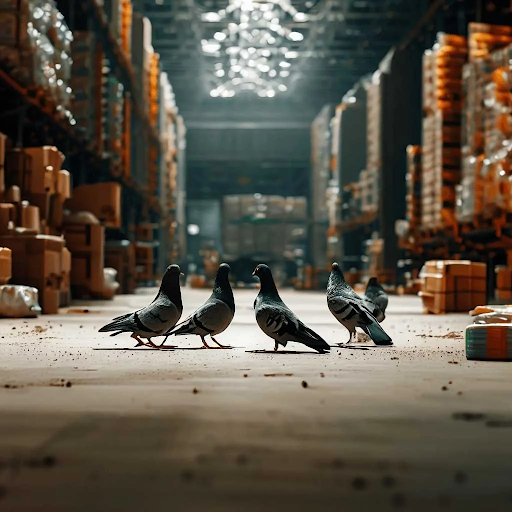
Bird infestations in warehouses can lead to serious damage, health risks, and financial loss. Common pest birds such as pigeons, crows, and gulls often roost and nest inside warehouses, creating unsafe and unsanitary conditions.
Bird droppings are acidic and can corrode building materials over time. They also carry harmful diseases that put warehouse workers at risk. In addition, bird activity can contaminate inventory, disrupt operations, clog drainage systems, and even create fire hazards.
Implementing the right warehouse bird control solutions is essential to protect your facility. Below are eight proven methods to keep birds away from your warehouse.
1. Bird Netting for Warehouses
Bird netting is one of the most effective bird control solutions for warehouses. It acts as a physical barrier that prevents birds from accessing nesting and roosting areas.
High-quality bird netting is durable, long-lasting, and humane, making it ideal for long-term warehouse bird prevention.
2. Bird Shock Track Systems
Bird shock systems use mild electric pulses to deter birds from landing on surfaces. These systems are safe and humane, causing no harm while effectively training birds to stay away.
They can be installed on ledges, beams, pipes, and other common landing areas.
3. Bird Repellent Gel
Bird repellent gels create a sticky, uncomfortable surface that discourages birds from landing. This solution is affordable and easy to apply.
It works best for larger bird species, so identifying the type of infestation is important before use.
4. Bird Laser Deterrents
Laser bird deterrents use bright, moving light beams to scare birds away. Birds perceive these beams as threats and quickly leave the area.
Green laser systems are especially effective and work well in large warehouse spaces or sensitive locations.
5. Bird Slides for Ledges
Bird slides prevent birds from landing by creating angled surfaces. With no stable footing, birds are unable to perch or nest.
They are discreet, durable, and suitable for all bird species.
6. Bird Mesh for Solar Panels
Solar panels often attract birds looking for shelter. Installing bird mesh around solar panels prevents birds from nesting underneath.
This protects your solar investment and improves system efficiency.
7. Humane Bird Trapping
Bird traps help reduce large bird populations in warehouses. These traps use one-way entry systems to safely capture birds without harming them.
Always follow local wildlife regulations when using trapping methods.
8. Ultrasonic Bird Repellers
Ultrasonic devices emit high-frequency sounds that repel birds without disturbing humans. They are effective against a wide range of bird species and even bats.
These devices are ideal for continuous, low-maintenance bird control.
Why Warehouse Bird Control Is Important
Effective bird control in warehouses helps to:
- Protect building structures from corrosion
- Maintain hygiene and prevent contamination
- Reduce health risks from bird-borne diseases
- Avoid operational disruptions and inventory loss
Legal Considerations for Bird Control
Before implementing any bird control method, check local wildlife protection laws. Some bird species are protected, and specific guidelines must be followed for humane removal.
Conclusion: Choose the Right Bird Control Solution
Early action is key to preventing costly damage. By combining multiple warehouse bird control methods, you can create a safe, clean, and bird-free environment. If your warehouse is facing bird problems, consider professional bird control solutions tailored to your needs
Why Birds Keep Coming Back: 5 Bird Deterrence Mistakes (and How to Fix Them)
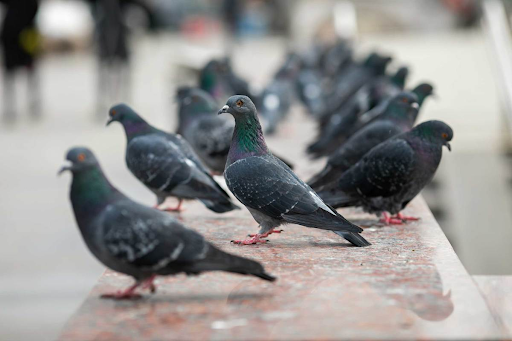
Birds can be fascinating to watch—but when they start nesting on your property, they quickly become a costly and frustrating problem. From corrosive droppings to clogged gutters and structural damage, pest birds can create serious issues for both homeowners and businesses.
If you’ve tried bird deterrents but still see birds returning, you’re not alone. The truth is, most bird control efforts fail because they don’t address why birds are attracted in the first place
In this guide, we’ll explain why birds keep coming back, what “bird pressure” means, and the most common bird deterrence mistakes to avoid.
Why Do Birds Keep Coming Back?
Birds return to the same place because it meets their basic survival needs:
- Safe shelter from weather and predators
- Easy access to food and water
- Secure nesting areas
Many species—especially migratory birds—are known to return to the same nesting sites year after year.
👉 If your property provides comfort and safety, birds will keep coming back—no matter how often you try to scare them away.
What Is Bird Pressure? (And Why It Matters)
Bird pressure refers to how strongly birds are attached to a nesting or roosting area. Understanding this concept is critical for choosing the right bird control solution.
Heavy Bird Pressure
- Prime nesting locations with food, water, and shelter
- Birds are highly persistent and difficult to remove
- Requires strong deterrents like netting or professional solutions
Medium Bird Pressure
- Frequently visited areas with moderate resources
- Birds can be deterred with consistent effort
Light Bird Pressure
- Occasional resting spots
- Easy to manage with simple deterrents
Common Bird Deterrence Mistakes
Avoiding these mistakes can significantly improve your bird control results.
1. Relying on Cheap or Single Solutions
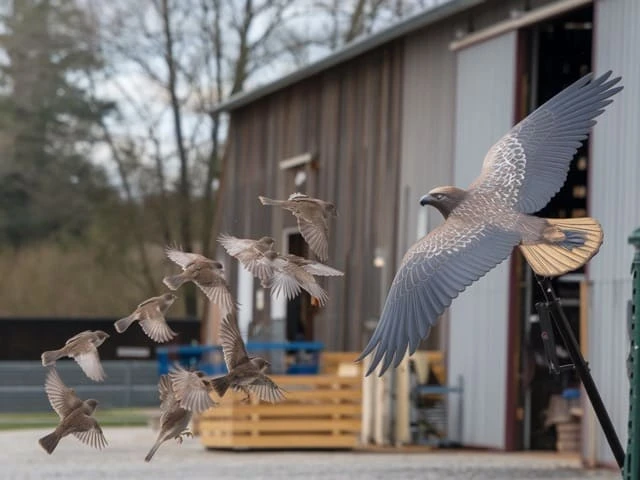
Many property owners try to solve serious bird problems with one low-cost product—like a plastic owl or reflective tape.
While visual deterrents can work, they are:
- Less effective in high-pressure areas
- Only useful when repositioned regularly
- Best used alongside other methods
👉 Fix: Use a combination of deterrents suited to the severity of the problem.
2. Not Identifying Bird Pressure Levels
Using the same solution across your entire property is a common mistake.
For example:
- A balcony may need spikes or netting (high pressure)
- A rooftop edge may only need visual deterrents (low pressure)
👉 Fix: Evaluate each area separately and apply targeted solutions.
3. Improper Installation of Bird Deterrents
Even high-quality products fail when installed incorrectly. Small gaps or loose fittings allow birds to:
- Sneak back into nesting spots
- Bypass deterrents completely
👉 Fix: Follow installation guidelines carefully—or hire professionals for complex setups.
4. Leaving Food and Nesting Attractants
Birds stay where they find easy resources. Common attractants include:
- Open garbage bins
- Food scraps or litter
- Existing droppings and nests
👉 Fix:
- Clean affected areas thoroughly
- Remove waste and food sources
- Keep surroundings tidy and sealed
5. Underestimating Bird Intelligence
Birds are more adaptable than most people realize. They can:
- Recognize fake deterrents over time.
- Find alternative entry points.
- Return repeatedly to preferred nesting areas
👉 Fix: Use dynamic, multi-layered deterrent strategies to stay ahead.
Best Bird Deterrent Solutions for Long-Term Results
For persistent bird problems—especially in high-pressure areas—DIY methods may not be enough.
Effective solutions include:
- Bird netting for full exclusion
- Bird spikes for ledges and beams
- Shock tracks or advanced deterrent systems
- Professional bird control services
When to Call a Professional Bird Control Service
If you’re dealing with:
- Large flocks of birds
- Repeated nesting despite deterrents
- Structural damage or health risks
…it’s time to consult an expert.
Professional bird control specialists can:
- Identify the root cause of the problem
- Assess bird pressure levels
- Install long-lasting, effective solutions
👉 In many cases, professional help saves money in the long run by preventing repeated damage and failed DIY attempts.
Final Thoughts
Birds don’t return to annoy you—they return because your property meets their needs.
To stop them for good:
✔ Remove food and nesting attractants
✔ Understand bird pressure levels
✔ Use the right deterrents for each area
✔ Install solutions correctly
✔ Consider professional help when needed
With the right strategy, you can protect your property and keep birds from coming back.
Commercial Pigeon Control: How to Get Rid of Pigeons
Protect Your Business with Professional Bird Control Services
Pigeon infestations are a common issue for commercial properties. Whether you manage a warehouse, factory, office building, or food facility, pigeons are attracted to areas that provide food, shelter, and nesting opportunities.
Without effective pigeon control, a small problem can quickly escalate into a major infestation—leading to property damage, health risks, and compliance issues.
Why Commercial Bird Control Is Important
Implementing commercial bird control measures is essential to prevent:
- Contamination of food and storage areas
- Damage to roofs, gutters, and equipment
- Increased cleaning and maintenance costs
- Health and safety risks for employees and customers
- Regulatory fines and legal liabilities
Early intervention with professional bird control services can save your business time and money.
Signs of a Pigeon Infestation
Identifying a problem early is key to effective pigeon infestation control. Look for:
- Bird droppings on roofs, walkways, and machinery
- Frequent pigeon activity around your building
- Nesting materials in gutters, ledges, and roof spaces
- Strong ammonia odours from accumulated droppings
Health Risks of Pigeon Infestations
Pigeon droppings can create serious health concerns, making pest bird control critical:
- Airborne particles that affect respiratory health
- Increased risk of asthma and allergies
- Harmful bacteria exposure
- Slip hazards on commercial surfaces
Maintaining a safe environment is essential for both compliance and employee wellbeing.
Effective Pigeon Control Solutions
Bird Spikes and Netting
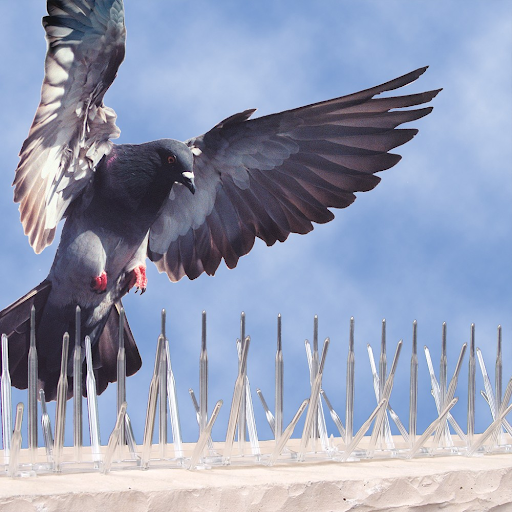
Bird spikes installation and bird netting solutions are among the most effective physical deterrents. These prevent pigeons from landing and nesting on your property.
Ultrasonic and Sonic Deterrents
Advanced systems such as ultrasonic devices and sonic repellents are ideal for large commercial areas and warehouses.
Humane Bird Control Methods
Modern humane bird control methods focus on deterrence rather than harm, ensuring ethical and compliant solutions.
Professional Bird Control Services
For large-scale or ongoing issues, hiring experts in professional bird removal is the best solution. Services may include:
- Site inspection and risk assessment
- Installation of deterrent systems
- Humane trapping and relocation
- Ongoing maintenance and monitoring
Industries We Serve
Our commercial bird control services are ideal for:
- Warehouses and logistics facilities
- Food processing plants
- Retail and shopping centres
- Office buildings
- Healthcare facilities
Long-Term Pigeon Prevention Tips
To maintain effective pigeon deterrents, businesses should:
- Keep outdoor areas clean and free of food waste
- Seal entry points and nesting areas
- Schedule regular building inspections
- Clean droppings to remove scent markers
Get Expert Pigeon Control Today
If you’re dealing with a pigeon problem or want to prevent one, our bird control services are here to help. Contact us today for a customized commercial bird control plan and protect your business from costly infestations.
Lorem ipsum dolor sit amet
Call us today
01621 779 823
POSTCODE FINDER
Check if we cover your area

